Updated February 2026
Healthcare Professional:
a person who helps in identifying or preventing or treating illness or disability.
Join The Conversation
Are you a healthcare professional using a customized communication board or other customized visual aids and strategies to support a patient? What is the greatest challenge you face? Leave me a comment here, and join the conversation on Facebook where I asked, “The greatest challenge I’ve faced when supporting a patient with a communication barrier is_____________.”
EVERYONE benefits from Visual Aids!

Workshop Presentation - Visual Aids and Strategies for Healthcare Professionals
EVERYONE benefits from Visual Aids!

Contact Vizually Speaking today to learn how customized Visual Aids and Strategies can decrease undesired behaviour(s), improve communication, promote independence, and increase self-confidence. Through our dynamic presentation, you will:
✓ Uncover the importance of using customized Visual Aids and Strategies.
✓ Explore the wide range of benefits of customized Visual Aids and Strategies.
✓ Learn practical ways to overcome communication barriers.
✓ Support independence and decrease undesired behaviours.
✓ Access NEW and valuable resources.
Healthcare Professionals
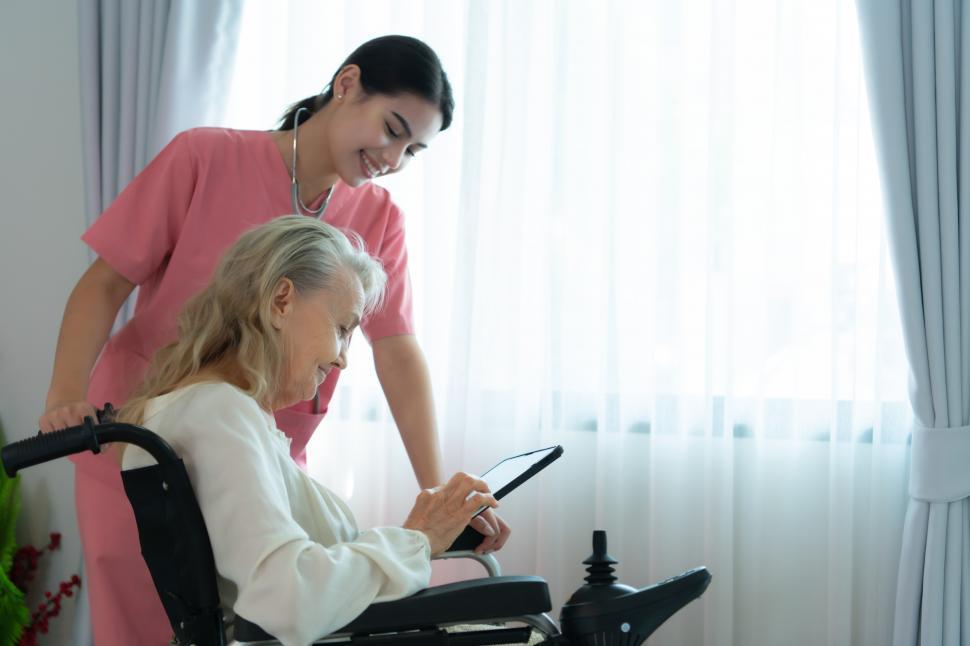
Healthcare professionals—also referred to as health practitioners or healthcare providers—are individuals who deliver preventive, diagnostic, therapeutic, and rehabilitative health services to people, families, and communities. Their work supports health, well-being, safety, and quality of life across the lifespan.
In addition to direct patient care, healthcare professionals may serve as public or community health experts, contributing to the overall health and well-being of society. Their roles extend beyond hospitals and healthcare facilities and may include work in private homes, community settings, long-term care, emergency services, education and training, research, leadership, and health system administration.
Healthcare professionals play a vital role in coordinated, person-centered care across diverse environments and populations.
Healthcare Professionals Include
| Medical & Nursing Professionals | Allied Health Professionals | Diagnostic, Technical & Emergency Services |
|---|---|---|
| Physicians (Doctors) | Occupational Therapists | Radiographers / Medical Imaging Technologists |
| Surgeons | Physical Therapists | Radiotherapists |
| Physician Assistants (PAs) | Speech-Language Pathologists | Medical Laboratory Scientists |
| Surgeons’ Assistants | Audiologists | Phlebotomists |
| Nurses | Respiratory Therapists | Surgical Technologists |
| Advanced Practice Registered Nurses (APRNs) | Dietitians / Nutritionists | Operating Department Practitioners |
| Midwives | Psychologists | Emergency Medical Technicians (EMTs) |
| Dentists | Social Workers | Paramedics |
| Dental Hygienists | Athletic Trainers | Prosthetic & Orthotic Technicians |
| Pharmacists | Chiropractors | Clinical Officers |
| Pharmacy Technicians | Optometrists | |
| Naturopathic Doctors* |
* Scope of practice for some professions (e.g., naturopathic doctors) varies by region and jurisdiction.
Why This Matters
Healthcare professionals work across hospitals, clinics, emergency services, long-term care, community settings, research, education, and administration. Regardless of role, clear, accessible communication is essential to patient safety, collaboration, and quality care—especially when supporting individuals with communication, cognitive, sensory, or language differences.
Healthcare professionals are highly skilled and dedicated individuals who often work under significant time constraints. In many settings, they have only a few minutes to share critical information with a patient. To support understanding, they frequently use teach-back communication strategies, such as asking patients to explain the instructions they have just received.
While effective, verbal communication alone can be limited—especially for individuals experiencing stress, fatigue, language barriers, cognitive challenges, or sensory differences. Communication becomes significantly more effective when verbal instruction is paired with customized visual aids and strategies.
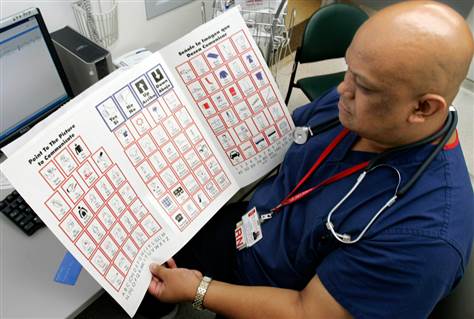
Consider the airplane safety card: visual instructions designed to be understood quickly and clearly, regardless of language, experience, or familiarity. Similar customized visual aids and strategies can be just as powerful in healthcare settings—for example, to explain medication schedules, daily routines, proper inhaler use, physical therapy exercises, or self-care tasks.
By integrating customized visual aids and strategies into patient education, healthcare professionals can improve comprehension, support adherence, reduce errors, and enhance patient confidence and independence.
The options for customized visual aids and strategies in healthcare are endless, and we’re ready to help you get started. Vizually Speaking understands that finding time in today’s highly demanding world to create customized visual aids and strategies can be a great challenge. Vizually Speaking is committed to working collaboratively, providing step-by-step support and assisting in the development and implementation of customized visual aids and strategies.
Contact us today for your FREE consultation.
Barriers Affecting a Patient’s Ability to Comprehend Information
Healthcare professionals may not always be aware of the factors that affect a patient’s ability to understand health information. These barriers can significantly impact communication, safety, and outcomes.
For example:

→ Hearing or vision challenges
An older adult may hesitate to disclose that hearing or vision difficulties are interfering with their understanding.
→ Language differences
Individuals who are not fluent in English may feel embarrassed or reluctant to request interpretation or translation support.
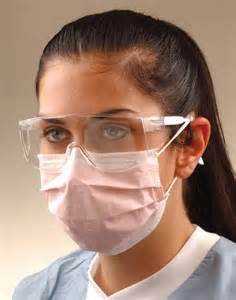
→ Communication barriers created by protective equipment
Masks and other protective gear can limit facial cues, lip-reading, and speech clarity.
→ Limited literacy skills
Some patients may have difficulty reading or writing. Due to stigma, they may avoid disclosing these challenges. Even individuals with average literacy levels often find medical terminology and instructions difficult to understand.
Recognizing these barriers and proactively using clear, accessible communication strategies—such as visual supports, plain language, and confirmation of understanding—can greatly improve patient comprehension and engagement.
Visual Aids and Strategies Improve Patient Communication and Care
Patients who are unable to speak—due to stroke, brain injury, autism, intubation, ventilator use, neurological conditions, or language barriers—often experience increased stress, anxiety, and frustration during hospital stays.
Customized visual aids and strategies significantly improve interactions between patients and healthcare professionals. Research shows that the use of communication boards with symbols, pictures, letters, and numbers enhances patient understanding, supports expression of needs, and contributes to improved recovery outcomes while reducing frustration and distress.
Customized visual aids and strategies are beneficial across healthcare settings, including:

→ Emergency rooms
→ Intensive Care Units (ICU)
→ Post-operative care
→ Inpatient hospital units
→ Doctor’s offices and outpatient clinics
These tools support best practice care for patients who cannot communicate verbally due to conditions such as aphasia, stroke, dementia, or other disorders that limit effective speech. They are also a valuable resource for individuals who do not speak English, helping to bridge language gaps and improve safety, dignity, and quality of care.
By integrating visual aids into patient care, healthcare professionals can enhance communication, reduce misunderstandings, and deliver more person-centered, accessible healthcare.

The options for customized visual aids and strategies in healthcare are endless, and we’re ready to help you get started. Vizually Speaking understands that finding time in today’s highly demanding world to create customized visual aids and strategies can be a great challenge. Vizually Speaking is committed to working collaboratively, providing step-by-step support and assisting in the development and implementation of customized visual aids and strategies.
Contact us today for your FREE consultation.