Updated March 2026
Workshop Presentation - Visual Aids and Strategies

EVERYONE benefits from Visual Aids!
Contact Vizually Speaking today to learn how customized Visual Aids and Strategies can decrease undesired behaviour(s), improve communication, promote independence, and increase self-confidence. Through our dynamic presentation, you will:
✓ Uncover the importance of using customized Visual Aids and Strategies.
✓ Explore the wide range of benefits of customized Visual Aids and Strategies.
✓ Learn practical ways to overcome communication barriers.
✓ Support independence and decrease undesired behaviours.
✓ Access NEW and valuable resources.
How Emotional Awareness Develops
From infancy, humans experience emotions. Babies and young children show how they feel through facial expressions and actions such as smiling, cuddling, laughing, or crying. At this stage, they feel emotions but cannot yet explain them or name what they are experiencing.
As people grow, they gradually learn to recognize emotions, understand what they are feeling, and express those feelings in words. This ability is known as emotional awareness.
Emotional awareness is an important life skill. It helps individuals:
✓ Understand their needs and feelings
✓ Communicate emotions more clearly
✓ Build stronger relationships
✓ Resolve conflicts more effectively
✓ Manage difficult feelings in healthy ways
Developing emotional awareness takes time, guidance, and practice.
Supporting Emotional Understanding Early
The most effective time to introduce visual supports is before behaviour escalates. When individuals are calm, they are better able to learn and practice emotional strategies.
By teaching emotional awareness early and consistently, individuals can:
✓ Recognize feelings sooner
✓ Communicate needs more effectively
✓ Use coping strategies independently
✓ Develop stronger emotional regulation skills over time
Building Emotional Skills Through Visual Supports
With the right customized visual aids and strategies and support, emotional awareness can be developed and strengthened. Visual aids and strategies create clear pathways for learning, helping individuals better understand themselves and the emotions of others.
These skills support confidence, communication, and overall quality of life.
Customized visual aids and strategies are most effective when used before behaviour escalates. Early support helps individuals stay in control, better understand their emotions, and develop stronger emotional regulation skills over time.

Emotional Awareness and Autism
A common misconception is that individuals with Autism Spectrum Disorder (ASD) do not experience emotions. In reality, many individuals with autism experience emotions very deeply.
What may differ is how emotions are expressed or interpreted.
Contrary to common stereotypes, individuals with autism do not lack emotions. In fact, research shows that many experience higher levels of emotional intensity, and a significant number also experience anxiety or depression, which can impact daily life and well-being.
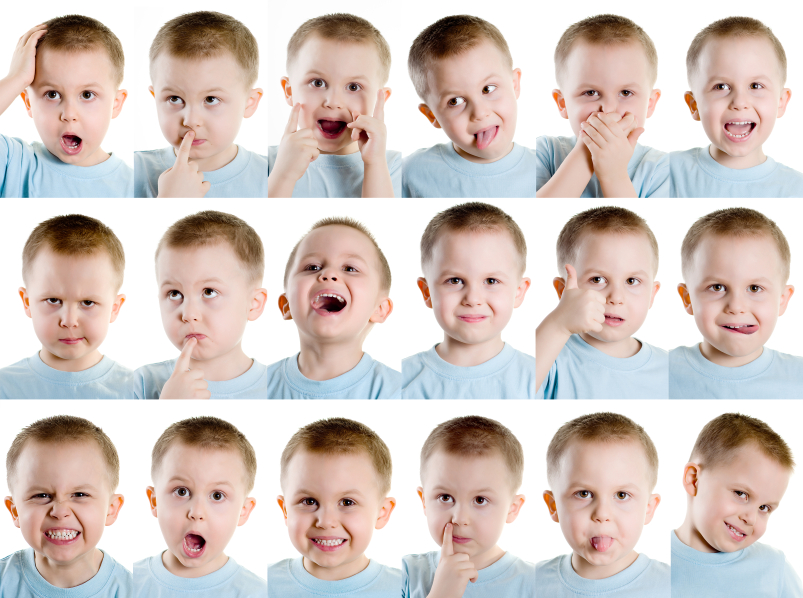
A key challenge is that emotional communication cues—such as facial expressions, tone of voice, or body language.
Individuals with autism may have difficulty naturally recognizing emotional cues, such as:
→ facial expressions
→ tone of voice
→ body language
→ social context
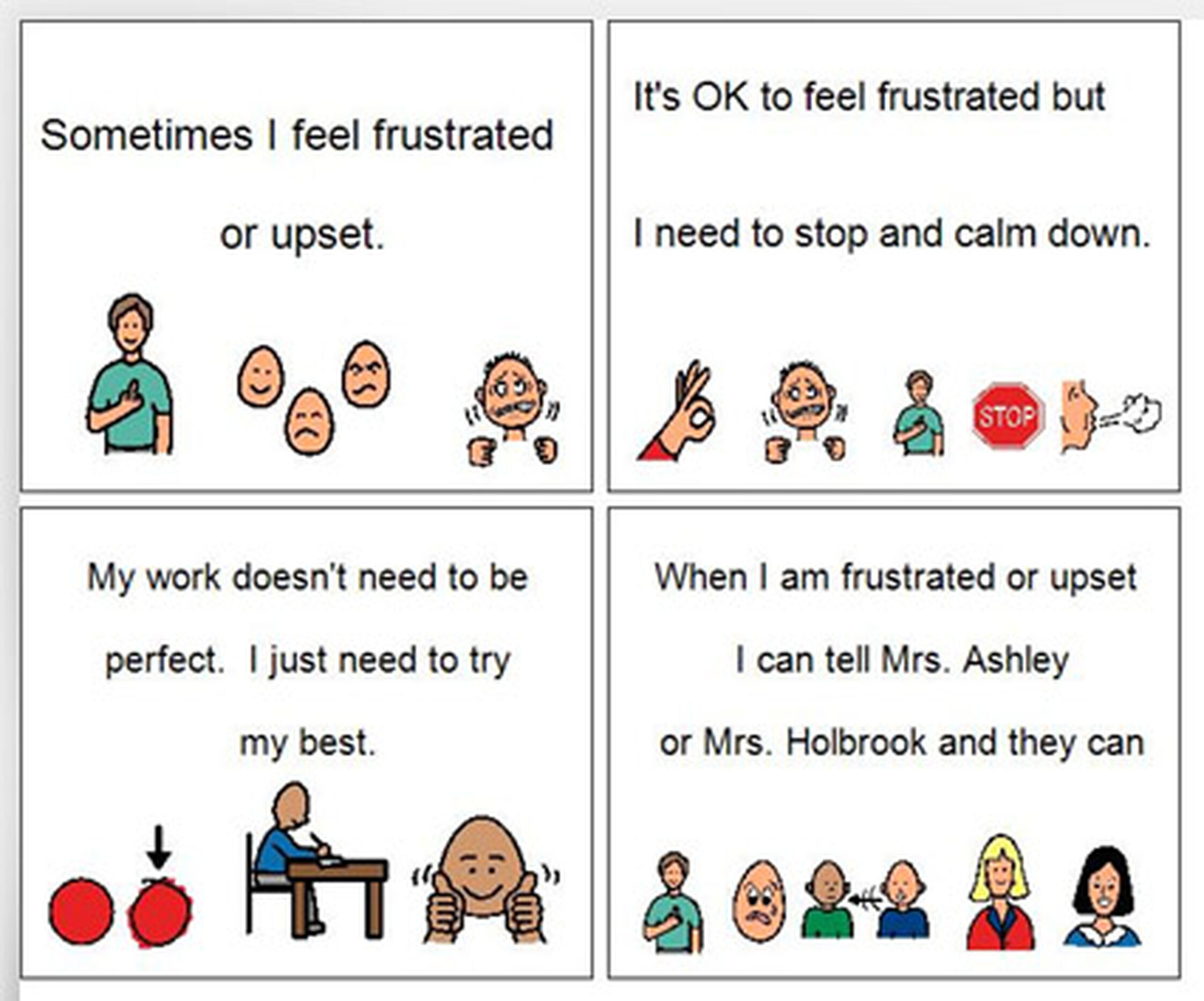
Because of this, individuals with ASD and other developmental differences often need to be taught directly and supported visually using customized visual aids and strategies to help them understand emotions.
Many individuals with autism benefit from learning:
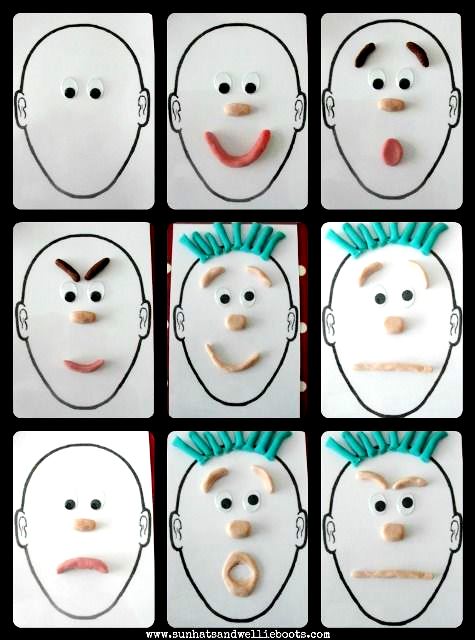
✓ how to read facial expressions
✓ how to recognize their own emotions
✓ how to label feelings with words or symbols
✓ how to use strategies to regulate emotional escalation
✓ how to understand what others might be feeling
Research also shows that anxiety and depression occur more frequently in individuals with autism, making emotional regulation support especially important for overall well-being.
Vizually Speaking understands that in today’s busy and demanding world, finding the time to create customized visual aids and strategies can be challenging. That’s why we work collaboratively with individuals, families, caregivers, and professionals to make the process simple and effective.
We provide step-by-step support, helping with the design, create, and implementation of customized visual aids and strategies that meet each individual’s unique needs.
Contact us today to schedule your FREE consultation and learn how customized visual aids and strategies can make communication clearer and daily routines easier.
Why Visual Aids and Strategies Are Important
Emotions can be complex and abstract. For many individuals—especially those who are visual learners—customized visual aids and strategies make emotions easier to understand and manage.
Visual tools help by:
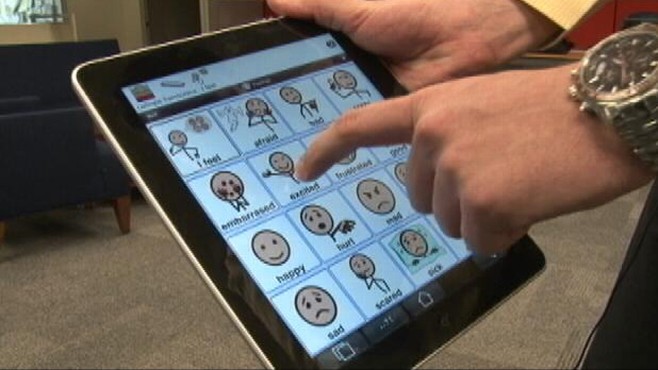
✓ Turning abstract feelings into clear, concrete concepts
✓ Providing predictable structure and consistency
✓ Supporting communication when words are difficult
✓ Helping individuals recognize early emotional changes
✓ Teaching coping strategies before behaviour escalates
When customized visual aids are introduced before emotions become overwhelming, individuals are more likely to remain regulated and successfully use coping strategies.
Over time, these tools help build long-term emotional understanding and independence.
Who Benefits from Emotional Regulation Visual Aids?
Customized emotional visual aids and strategies can benefit many individuals, including:
✓ Children learning to identify and express feelings
✓ Individuals with Autism Spectrum Disorder (ASD)
✓ Individuals with ADHD or developmental disabilities
✓ People recovering from brain injury or illness
✓ Individuals experiencing anxiety or emotional regulation challenges
✓ Caregivers, educators, frontline and support workers
Customized visual aids and strategies provide clear communication tools that reduce frustration and help create more supportive environments at home, school, work, and in the community.
Vizually Speaking understands that in today’s busy and demanding world, finding the time to create customized visual aids and strategies can be challenging. That’s why we work collaboratively with individuals, families, caregivers, and professionals to make the process simple and effective.
We provide step-by-step support, helping with the design, create, and implementation of customized visual aids and strategies that meet each individual’s unique needs.
Contact us today to schedule your FREE consultation and learn how customized visual aids and strategies can make communication clearer and daily routines easier.
3 Basic Reasons For Not Understanding Emotions:
1.) Emotions come and go.
People experience many emotions throughout the day. Some feelings last only seconds, while others can develop into longer-lasting moods.
2.) Emotions Vary in Intensity
Emotions are not simply “happy” or “sad.” They can range from mild to very intense depending on the situation and the individual.
Customized visual aids and strategies—such as emotion scales or feeling charts—help individuals recognize these differences in intensity.
3.) Emotions Are Not Good or Bad
All emotions serve a purpose. Feeling angry, sad, excited, or worried is part of being human. There are no good or bad emotions.
What matters is how emotions are expressed.
Learning to express emotions safely and appropriately is called emotional regulation. This skill develops after individuals learn to recognize and understand their emotions.
Vizually Speaking understands that in today’s busy and demanding world, finding the time to create customized visual aids and strategies can be challenging. That’s why we work collaboratively with individuals, families, caregivers, and professionals to make the process simple and effective.
We provide step-by-step support, helping with the design, create, and implementation of customized visual aids and strategies that meet each individual’s unique needs.
Contact us today to schedule your FREE consultation and learn how customized visual aids and strategies can make communication clearer and daily routines easier.