Updated March 2026
Updated March 2026
Join The Conversation
Are you supporting a challenging client or loved one with assistive technology? What is the greatest challenge you face? Leave us a comment here, and join the conversation on Facebook where I asked, “My greatest challenge of supporting an individual with assistive technology is_____________.”
EVERYONE Benefits from Visual Aids!

Workshop Presentation - Visual Aids and Strategies

EVERYONE Benefits from Visual Aids!
Contact Vizually Speaking today to learn how customized Visual Aids and Strategies can decrease undesired behaviour(s), improve communication, promote independence, and increase self-confidence. Through our dynamic presentation, you will:
✓ Uncover the importance of using customized Visual Aids and Strategies.
✓ Explore the wide range of benefits of customized Visual Aids and Strategies.
✓ Learn practical ways to overcome communication barriers.
✓ Support independence and decrease undesired behaviours.
✓ Access NEW and valuable resources.
Speech Generating Device (SGD) Overlays
Customized Visual Aids for Clearer Communication
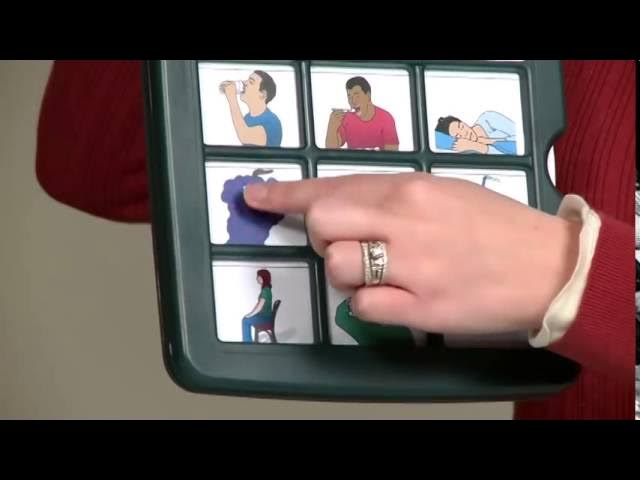
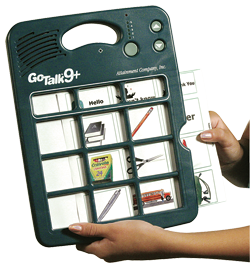
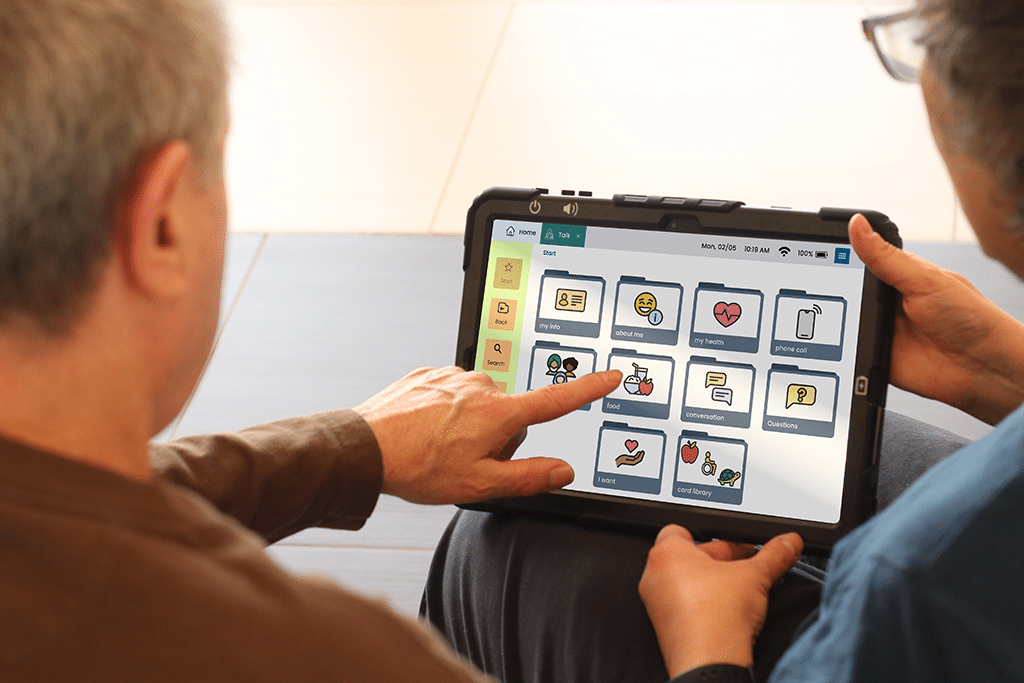
Speech-Generating Device (SGD) overlays are custom visual communication layouts placed on communication devices to help individuals express their needs, thoughts, and choices more easily. These overlays are typically static displays with manually inserted pages that may include symbols, photographs, and written words. Selecting an overlay that fits the individual’s communication abilities, needs, and daily environments is essential to ensure the device is effective, meaningful, and easy to use.
What Are Speech Generating Device Overlays?
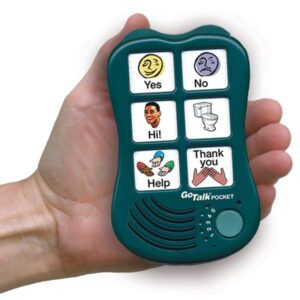
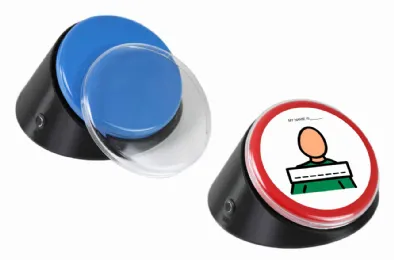
Speech generating devices are communication tools used in Augmentative and Alternative Communication (AAC). When a person selects a button or symbol on the device, it produces a recorded or synthesized voice message.
Overlays are the visual communication layer placed on top of the device buttons or displayed on the screen. They may include:
-
Pictures or symbols
-
Words or phrases
-
Letters or numbers
-
Color-coded choices
-
Personalized vocabulary
Each symbol or button corresponds to a specific recorded message or phrase, allowing the individual to communicate quickly and clearly.
Why SGD Overlays Are Important
For many individuals, speaking may be difficult, unreliable, or temporarily unavailable. Without effective communication tools, this can lead to frustration, anxiety, and misunderstandings.
Speech generating device overlays help by:
• Supporting clear communication
• visual structure and predictability
• Increasing participation in conversations
• Reducing communication breakdowns
• Supporting independence and decision-making
Visual supports make communication faster, easier, and more accessible, especially in busy or high-stress environments.
Vizually Speaking understands that finding time in today’s highly demanding world to create customized visual aids and strategies can be a great challenge. Vizually Speaking is committed to working collaboratively, providing step-by-step support and assisting in the development and implementation of customized visual aids and strategies.
Contact us today for your FREE consultation.
Who Benefits from SGD Overlays
Speech generating device overlays can support individuals of all ages and abilities who benefit from AAC.
They are commonly used by people who:
✓ Have speech or language difficulties
✓ Are non-verbal or minimally verbal
✓ Are recovering from a stroke, injury, or surgery
✓ Have neurological conditions
✓ Experience cognitive or communication challenges
✓ Require temporary communication support in healthcare settings
Overlays are frequently used in:
→ Healthcare and rehabilitation
→ Schools and special education programs
→ Community support services
→ Home and family environments
They also support the work of:
• Speech-language pathologists
• Teachers and educational assistants
• Caregivers and family members
• Healthcare and frontline workers
How Overlays Improve Communication
Personalized overlays help individuals communicate more efficiently by organizing vocabulary in a way that makes sense to them.
Examples of communication supported by overlays include:
✓ Requesting help or preferred items
✓ Making choices
✓ Participating in activities
✓ Answering questions
✓ Expressing feelings or discomfort
✓ Engaging in social conversation
Many devices allow multiple overlays or levels, which means vocabulary can be changed to match different situations such as school activities, mealtimes, or community outings.
The Power of Personalization
At Vizually Speaking, customized overlays are designed to reflect the individual’s real life and daily needs.
Personalization may include:
→ Familiar people and caregivers
→ Favorite activities and interests
→ Daily routines
→ Frequently requested items
→ Important functional vocabulary
When communication tools are relevant and meaningful, individuals are more likely to use them consistently and successfully.
Supporting Frontline Workers and Caregivers
Communication challenges can create barriers for those providing care and support. SGD overlays provide a clear and structured way to understand and respond to communication attempts.
They help caregivers and professionals:
• Understand needs quickly
• Support participation in daily routines
• Reduce stress during communication breakdowns
• Encourage independence and engagement
These customized visual aids and strategies are especially helpful in healthcare environments, community care, and emergency situations, where clear communication is essential.

Vizually Speaking understands that finding time in today’s highly demanding world to create customized visual aids and strategies can be a great challenge. Vizually Speaking is committed to working collaboratively, providing step-by-step support and assisting in the development and implementation of customized visual aids and strategies.
Contact us today for your FREE consultation.
Getting Started
Speech generating device overlays are most effective when they are:
✓ Simple and easy to understand
✓ Visually clear
✓ Customized to the individual
✓ Used consistently across environments
For best results, overlays should be paired with communication strategies, modeling, and supportive visual aids.
Need Help Creating Effective Visual Supports?
Vizually Speaking provides:
→ Customized visual aids and communication tools
→ Practical strategies for caregivers and professionals
→ Hands-on workshops and training
→ Free resources to help you get started
Vizually Speaking understands that finding time in today’s highly demanding world to create customized visual aids and strategies can be a great challenge. Vizually Speaking is committed to working collaboratively, providing step-by-step support and assisting in the development and implementation of customized visual aids and strategies.
Contact us today for your FREE consultation.