Updated February 2026

A daily schedule is one of the most used visual tools. That’s because they work really well to help students follow their daily routines. Everyone benefits from knowing what is going to be happening today. – Linda Hodgdon, M. Ed., CCC-SLP and consultant for Autism Spectrum Disorders
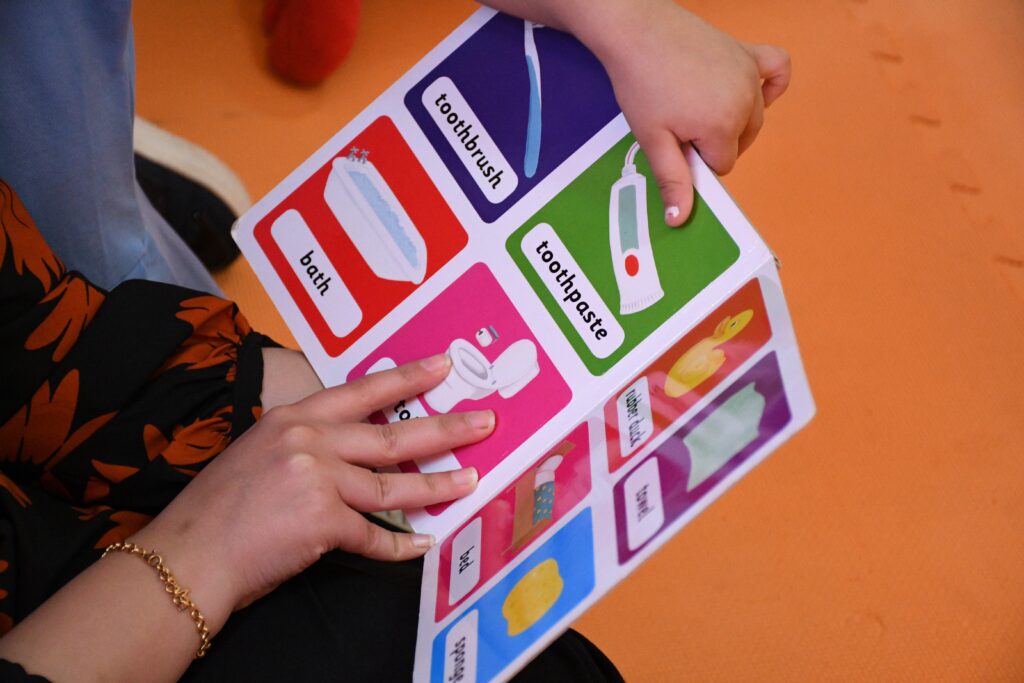
Visual aids include pictures, objects, written words, symbols, and other visual supports, and are commonly referred to as visual aids or visual strategies. The use of visual aids and strategies is a core, evidence-based practice in autism intervention models such as the Picture Exchange Communication System (PECS), Applied Behaviour Analysis (ABA), and the TEACCH approach.
Join The Conversation
Are you supporting a challenging client or loved one? What is the most difficult thing you deal with as a caregiver? Leave me a comment here, and join the conversation on Facebook where I asked, “The most challenging thing about being a caregiver is_____________.”

Workshop Presentation - Visual Aids and Strategies
EVERYONE benefits from Visual Aids!

Contact Vizually Speaking today to learn how customized Visual Aids and Strategies can decrease undesired behaviour(s), improve communication, promote independence, and increase self-confidence. Through our dynamic presentation, you will:
✓ Uncover the importance of using customized Visual Aids and Strategies.
✓ Explore the wide range of benefits of customized Visual Aids and Strategies.
✓ Learn practical ways to overcome communication barriers.
✓ Support independence and decrease undesired behaviours.
✓ Access NEW and valuable resources.
Why are visual aids helpful?

They:
✓ are simple
✓ are easier to understand
✓ are easier to process
✓ assist in organization
✓ assist in memory recall
✓ are used by everyone daily
✓ convey a message in an easy way
✓ break down language barriers
✓ provide a summary of information
✓ take less time to understand
✓ testability to break down concepts
✓ are motivating
✓ support expression of wants and
needs
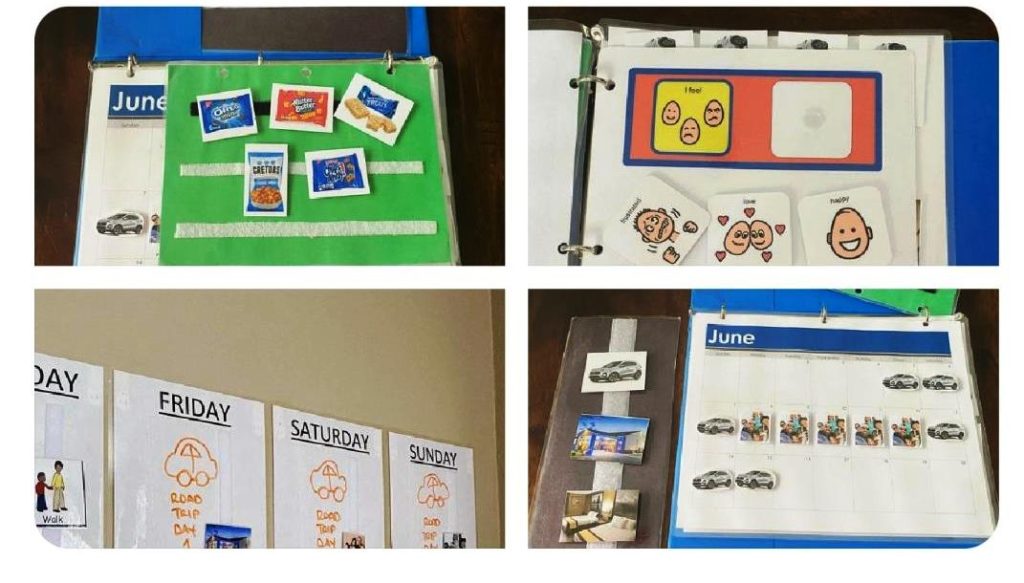
Customized visual aids support communication, behaviour, learning, and organization by clearly presenting information in a consistent and predictable format. They help individuals understand expectations, make choices, follow routines, and transition between activities, thereby reducing anxiety and increasing independence. Customized visual aids are particularly effective for individuals who benefit from concrete, visual information rather than spoken language alone.
Vizually Speaking understands that finding time in today’s highly demanding world to create customized visual aids and strategies can be a great challenge. Vizually Speaking is committed to working collaboratively, providing step-by-step support and assisting in the development and implementation of customized visual aids and strategies.
Contact us today for your FREE consultation.
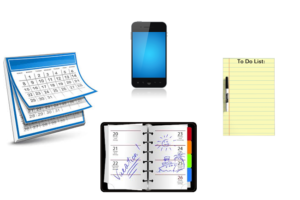
Common examples include visual schedules, first–then boards, token boards, choice boards, activity schedules, labels, signs, calendars, photo cues, and “to-do” or task lists. When implemented consistently and customized to the learner, visual aids and strategies promote engagement, improve task completion, and support positive behaviour across home, school, and community settings.
Vizually Speaking understands that finding time in today’s highly demanding world to create customized visual aids and strategies can be a great challenge. Vizually Speaking is committed to working collaboratively, providing step-by-step support and assisting in the development and implementation of customized visual aids and strategies.
Contact us today for your FREE consultation.