Updated February 2026
Join The Conversation
Are you supporting a client or loved one who is a stroke survivor? What is the greatest challenge you face? Leave me a comment here, and join the conversation on Facebook where I asked, “My greatest challenge about supporting a stroke survivor is_____________.”
Vizually Speaking understands that finding time in today’s highly demanding world to create customized visual aids and strategies can be a great challenge. Vizually Speaking is committed to working collaboratively, providing step-by-step support and assisting in the development and implementation of customized visual aids and strategies.
Contact us today for your FREE consultation.
Workshop Presentation - Visual Aids and Strategies
EVERYONE benefits from Visual Aids!

Contact Vizually Speaking today to learn how customized Visual Aids and Strategies can decrease undesired behaviour(s), improve communication, promote independence, and increase self-confidence. Through our dynamic presentation, you will:
✓ Uncover the importance of using customized Visual Aids and Strategies.
✓ Explore the wide range of benefits of customized Visual Aids and Strategies.
✓ Learn practical ways to overcome communication barriers.
✓ Support independence and decrease undesired behaviours.
✓ Access NEW and valuable resources.
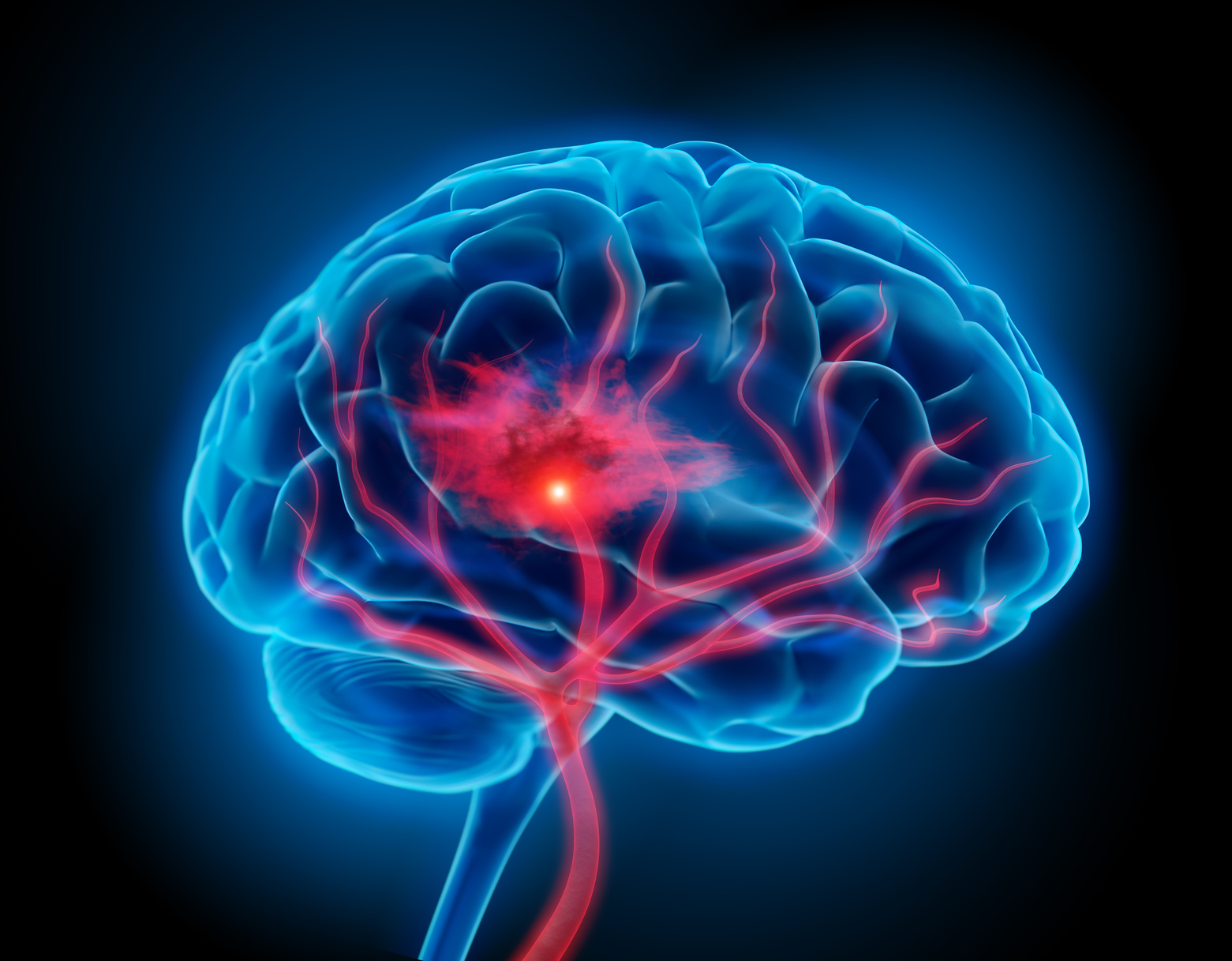
A stroke is a type of acquired brain injury that occurs when blood flow to the brain is reduced or interrupted, depriving brain tissue of oxygen and essential nutrients. This interruption can damage brain cells, which do not easily repair or regenerate.
A stroke is a medical emergency, and immediate treatment is critical. Rapid response and timely medical care can significantly improve survival rates and support better recovery outcomes.
When a stroke affects the brain’s language centers, an individual may experience difficulties with speaking, understanding others, pronunciation, reading, and writing. These communication challenges can impact daily life but may be supported through appropriate strategies and therapies.
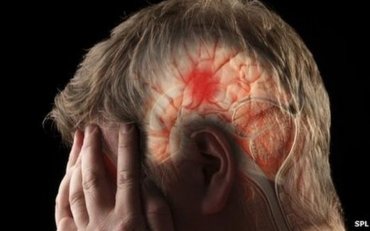
5 Signs of Stroke
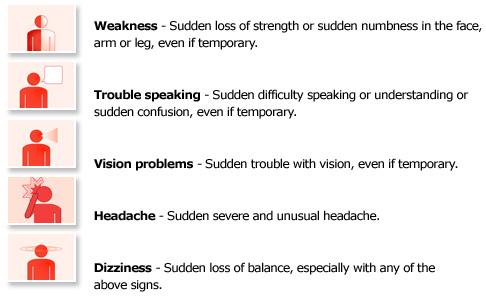
Recognizing the signs of a stroke quickly can make a significant difference in recovery. If you have experienced a stroke—or are caring for someone who has—connecting with others who understand the journey can provide reassurance, guidance, and support throughout the recovery process.
A stroke is a major life event for both the individual and their loved ones. While the shared goal is recovery, recovery looks different for everyone. It often means regaining as much function, independence, and confidence as possible, even if life looks different from it did before the stroke.
Recovery is about building a meaningful and fulfilling life using current abilities and strengths. The journey can be challenging and includes both progress and setbacks. Reaching out for support—whether from professionals, family, or community—can make a powerful difference.
Research shows that approximately 44% of Canadians are unable to identify any stroke symptoms. The acronym FAST is a simple and effective way to recognize the warning signs and act quickly.
FAST:
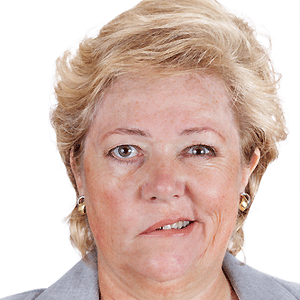
Face – Is one side of the face drooping?
Arms – Can both arms be raised?
Speech – Is speech slurred or difficult to understand?
Time – Call 911 immediately.
Do not drive yourself or a loved one to the hospital. Paramedics can begin care right away and ensure safe, rapid transport—saving valuable time and brain cells.
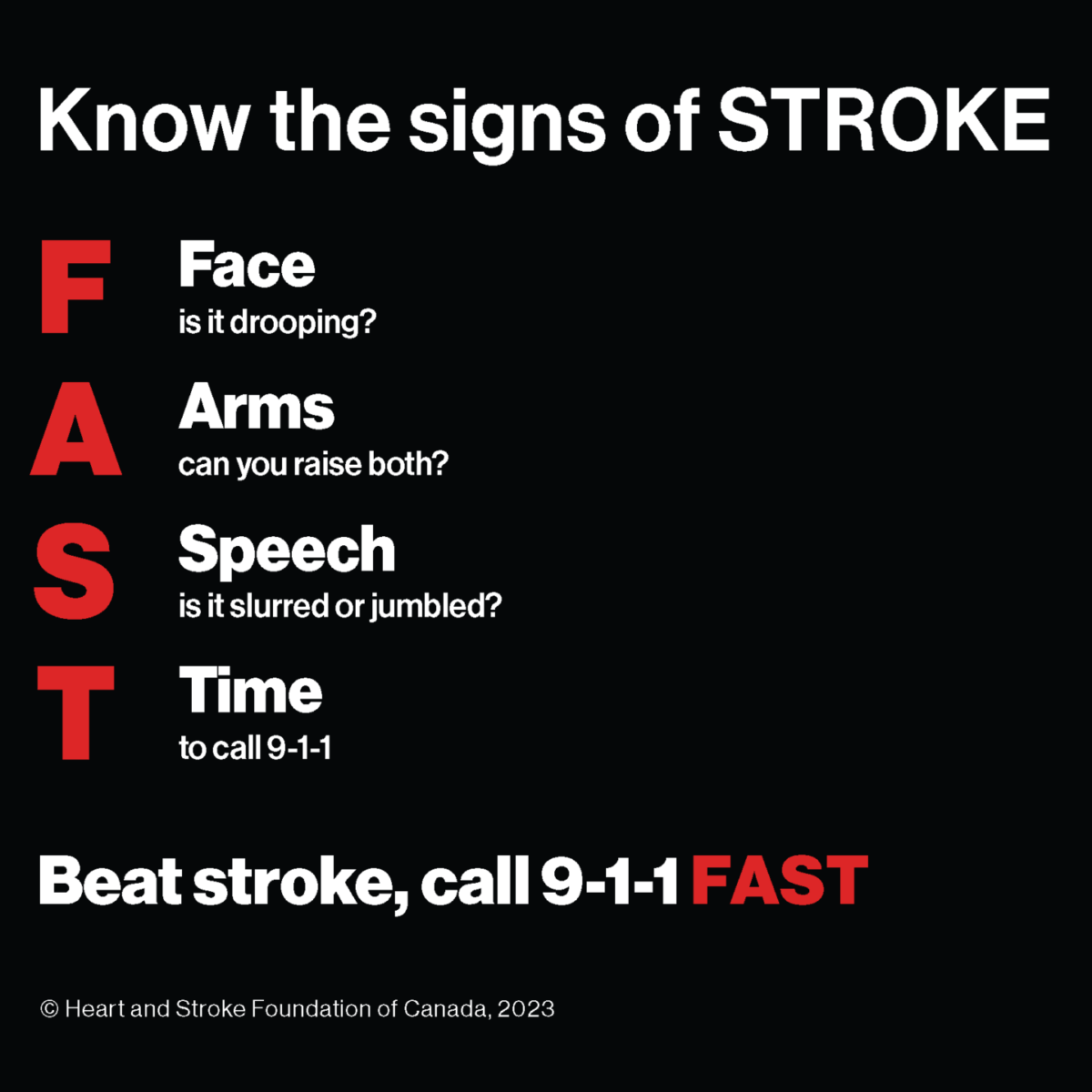
If you experience any of these symptoms, call 9-1-1 or your local emergency number immediately.
Time is critical when it comes to stroke—time is brain. Every minute that treatment is delayed, brain cells are lost, affecting recovery and long-term outcomes. Research shows that, on average, up to 2 million brain cells (neurons) can be lost for every minute blood flow is not restored to the brain (Heart & Stroke Foundation of Canada).
The effects of a stroke are different for every individual and can range from mild to severe. This is why FAST recognition, evaluation, and treatment are essential. Acting quickly can significantly reduce brain damage and improve recovery outcomes.
Vizually Speaking understands that finding time in today’s highly demanding world to create customized visual aids and strategies can be a great challenge. Vizually Speaking is committed to working collaboratively, providing step-by-step support and assisting in the development and implementation of customized visual aids and strategies.
Contact us today for your FREE consultation.
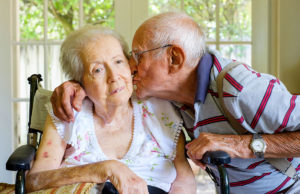
Your Stroke Journey: A guide for people living with stroke can assist you with your recovery.
Strokes may be described as a “mini-stroke,” also known as a Transient Ischemic Attack (TIA), or as a full stroke, which can be ischemic or hemorrhagic. The symptoms of a TIA and a stroke are often the same; however, a TIA is caused by a temporary blockage of blood flow to the brain, usually from a small clot that resolves on its own.
Although TIAs do not cause permanent brain damage, they are a serious warning sign and indicate a significantly increased risk of a future stroke. TIA symptoms typically resolve within minutes or hours and are more common than hemorrhagic strokes.
Approximately 80% of strokes are ischemic, caused by a blood clot interrupting blood flow to the brain. Other strokes are hemorrhagic, occurring when a blood vessel in the brain ruptures. Research also shows that up to 20% of pediatric strokes have no known cause (Heart & Stroke Foundation of Canada).
Understanding the different types of stroke and responding quickly to symptoms is essential for prevention, treatment, and recovery.
Causes of Stroke
| Ischemic Stroke | Hemorrhagic Stroke |
|---|---|
| Heart disease | Artery malformations |
| Blood-clotting disorders | Aneurysms |
| Irregular or narrowed arteries | Brain tumors |
| Certain infections or viruses | Drug or alcohol misuse |
| Other vascular risk factors | Ruptured blood vessels |
Optional simplified version (at-a-glance)
| Ischemic (Blocked Blood Flow) | Hemorrhagic (Bleeding in the Brain) |
|---|---|
| Blood clots | Ruptured blood vessels |
| Heart conditions | Aneurysms |
| Narrowed arteries | Artery malformations |
| Circulatory risk factors | Tumors or substance use |
Vizually Speaking understands that finding time in today’s highly demanding world to create customized visual aids and strategies can be a great challenge. Vizually Speaking is committed to working collaboratively, providing step-by-step support and assisting in the development and implementation of customized visual aids and strategies.
Contact us today for your FREE consultation.
A stroke is a type of acquired brain injury, meaning damage to the brain that occurs after birth. It happens when blood flow to the brain is interrupted or when a blood vessel ruptures. Strokes can occur at any age, from infancy through adulthood.
The effects of a stroke vary widely depending on which area of the brain is affected and the extent of the damage. Because the brain controls all body functions, a stroke can impact many areas of daily life. Common effects may include changes in vision, speech, memory, movement, reading, and writing.
Physical effects often occur on the opposite side of the body from where the stroke occurred in the brain. As a result, a stroke survivor may experience a range of physical, cognitive, communication, and emotional changes.
A stroke survivor may experience:
✓ Weakness on one side of the body
✓ Paralysis on one side of the body
✓ One-sided neglect
✓ Difficulty with speech and language (aphasia)
✓ Trouble swallowing
✓ Vision problems (decreased field of vision or perception)
✓ Loss of emotional control and mood changes
✓ Problems with memory, judgment, or problem-solving (cognitive changes)
✓ Behavioural or personality changes
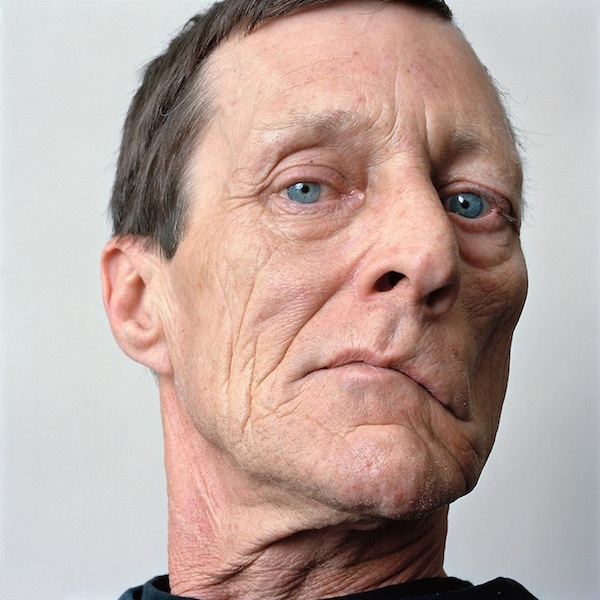
They may experience one of the following speech and language problems:
Aphasia: occurs when the left hemisphere of the brain is damaged, affecting expressive or receptive communication.
Dysarthria: occurs when the muscles used for speaking are weak, slo,w or have poor coordination.
Apraxia, also called dyspraxia, is a loss of muscle control and coordination affecting the muscle movements required to speak.
Vizually Speaking understands that finding time in today’s highly demanding world to create customized visual aids and strategies can be a great challenge. Vizually Speaking is committed to working collaboratively, providing step-by-step support and assisting in the development and implementation of customized visual aids and strategies.
Contact us today for your FREE consultation.
Important Questions If Someone Experiences a Stroke
Here are some important questions you should ask if someone is experiencing a stroke:
1.) What type of stroke is it? A head scan (CT) needs to be done to see if the stroke is ischemic or hemorrhagic.
2.) When was the patient last seen normal? There is a 4 to 5-hour window to receive a medication that works to break up the clot. This is not an option for a hemorrhagic stroke.
3.) What side of the brain is involved? This helps to understand the symptoms the patient is experiencing.
4.) What size is the damaged area of the brain? This helps to map out a plan of care while in the hospital.
Approximately 80% of strokes are preventable, according to the National Stroke Association. Certain risk factors have been identified that can increase a person’s risk for stroke; some are preventable, and some, like genetics, are not. While you can’t change your age, gender, or ethnicity, you can reduce your risk of a major stroke with the following healthy lifestyle choices:
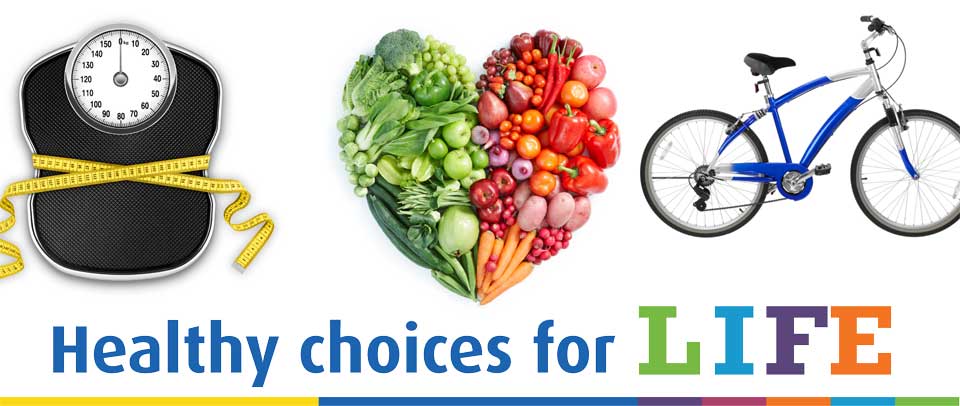
✓ Eating a healthy diet
✓ Maintaining a healthy weight
✓ Regulating blood pressure
✓ Preventing or managing diabetes
✓ Getting enough exercise
✓ Not smoking
✓ Limiting alcohol use
Vizually Speaking understands that finding time in today’s highly demanding world to create customized visual aids and strategies can be a great challenge. Vizually Speaking is committed to working collaboratively, providing step-by-step support and assisting in the development and implementation of customized visual aids and strategies.
Contact us today for your FREE consultation.