Updated February 2026
Join The Conversation
Are you supporting a challenging client or loved one with assistive technology? What is the greatest challenge you face? Leave us a comment here, and join the conversation on Facebook where I asked, “My greatest challenge of supporting an individual with assistive technology is_____________.”
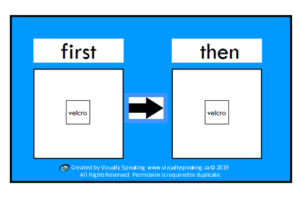
EVERYONE benefits from Visual Aids!

Workshop Presentation - Visual Aids and Strategies
EVERYONE benefits from Visual Aids!

Contact Vizually Speaking today to discover how customized Visual Aids and Strategies can reduce undesired behaviours, strengthen communication, promote independence, and build self‑confidence. Through our dynamic presentation, you will:
✓ Uncover the importance of using customized Visual Aids and Strategies.
✓ Explore the wide range of benefits of customized Visual Aids and Strategies.
✓ Learn practical ways to overcome communication barriers.
✓ Support independence and decrease undesired behaviours.
✓ Access NEW and valuable resources
Supports such as switches, eye-tracking systems, voice-recognition software, and SGDs help reduce isolation by increasing access to language, improving communication, and enhancing overall quality of life. Technology also makes it possible for many individuals with special needs to learn and participate alongside their peers. A well-known example is physicist Dr. Stephen Hawking, who used an SGD to communicate and deliver lectures around the world.

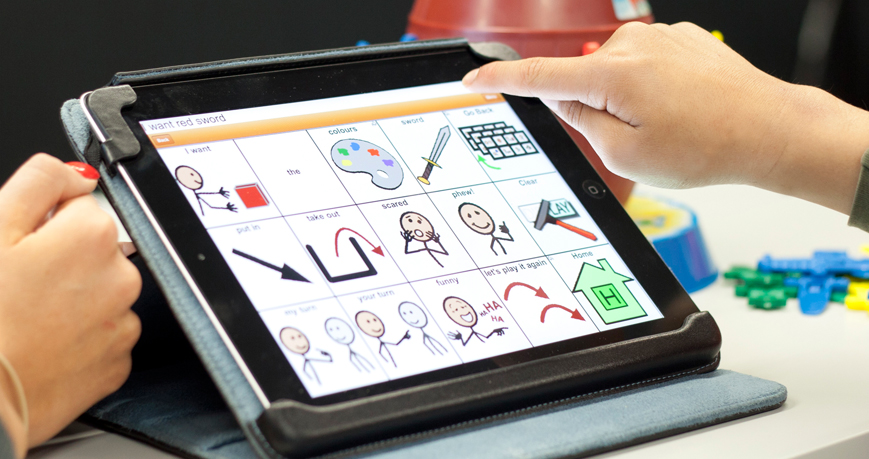
By using assistive technology and software (e.g., computers, iPads, iPods, Android devices, e‑readers, digital images), as well as speech‑generating devices (SGDs) or other forms of augmentative and alternative communication (AAC) such as the Partner 4, GoTalk 9+, Tech Talk, or DynaVox, individuals can strengthen their communication skills across home, school, work, and community settings. These tools can support motivation, enhance academic and social engagement, and build important life skills. However, SGDs are not the ideal solution for every situation or communication need, as no single device works for everyone.
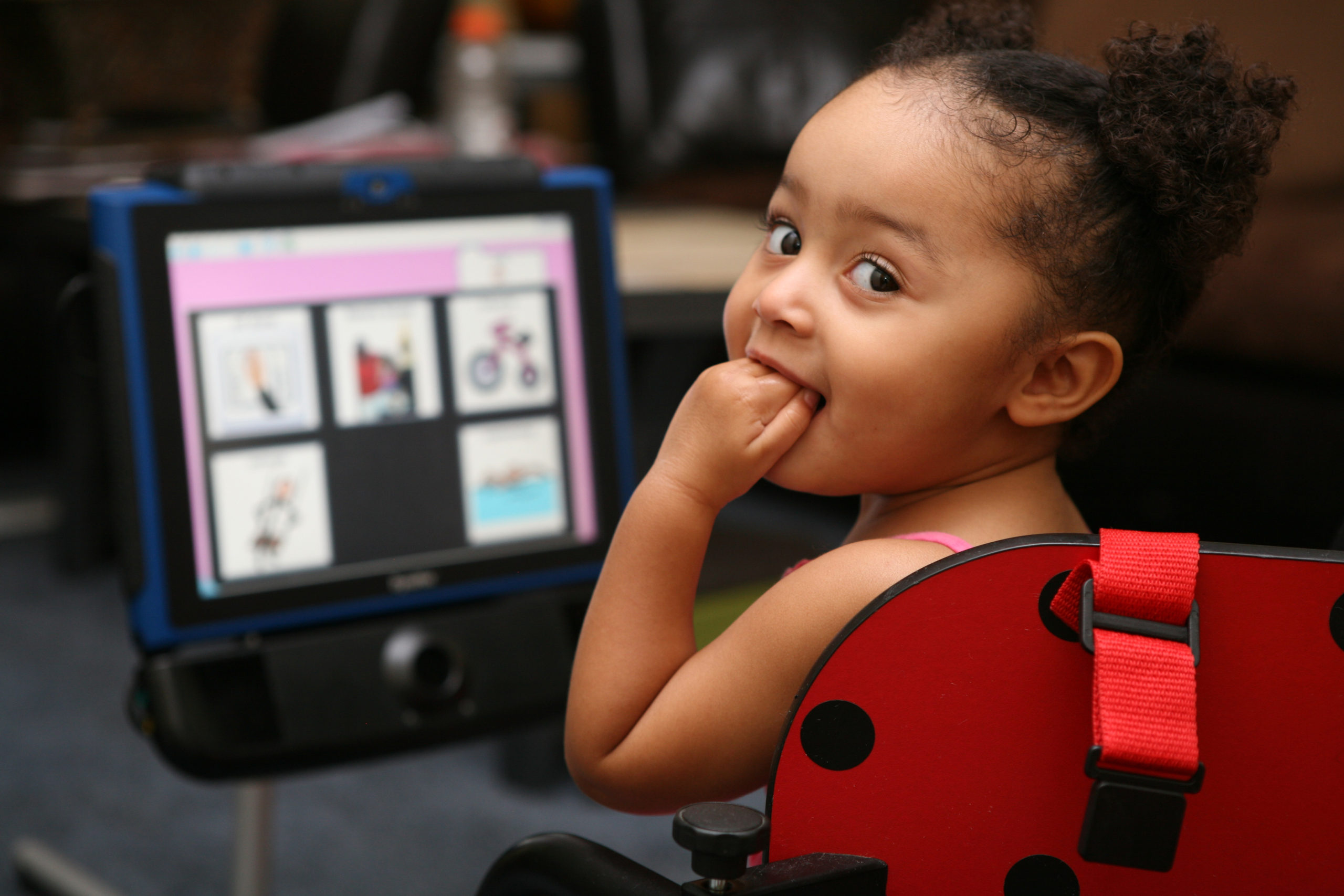
Children on the autism spectrum have extensive interest in computers, television, and video and the majority choose to spend more time with electronic media than with all other forms of the play combined. – Shane & Albert, 2008
Vizually Speaking understands that finding time in today’s highly demanding world to create customized visual aids and strategies can be a great challenge. Vizually Speaking is committed to working collaboratively, providing step-by-step support and assisting in the development and implementation of customized visual aids and strategies.
Contact us today for your FREE consultation.

After an individual has demonstrated consistent understanding and use of static, non‑moving visual aids (e.g., printed pictures), it may be appropriate to introduce more complex visual supports, such as dynamic display systems or touch‑screen devices, including iPods or AAC devices.
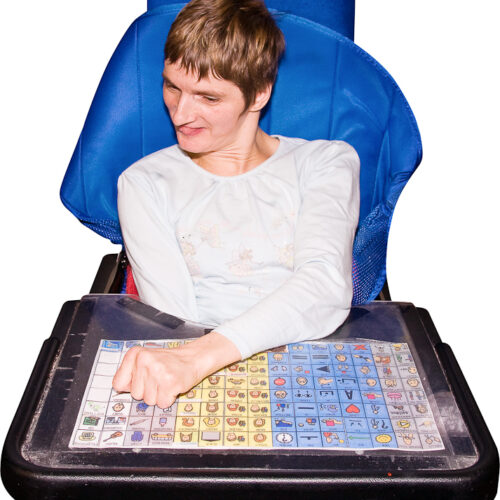
Some of the benefits of using a static display include but are not limited to:
✓ batteries or plugs are not required
✓ with the proper protection, it is easy to take with you on the go anywhere
✓ less expensive
✓ easy to replace if lost or damaged
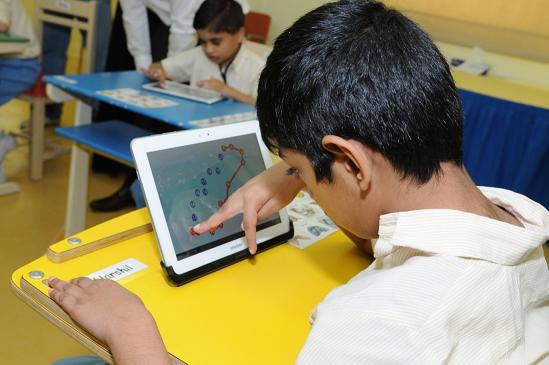
In today’s technology‑rich world, it’s easy to feel overwhelmed by the number of available options. The challenge lies in selecting the most appropriate assistive technology or speech‑generating device to support an individual’s specific needs and help prepare them for the future. By considering the individual’s goals, communication abilities, fine motor skills, and cognitive development, it becomes possible to determine which technology or device will be the best fit.
Vizually Speaking understands that finding time in today’s highly demanding world to create customized visual aids and strategies can be a great challenge. Vizually Speaking is committed to working collaboratively, providing step-by-step support and assisting in the development and implementation of customized visual aids and strategies.
Contact us today for your FREE consultation.